Bike Crash Safety Checklist for South African Riders
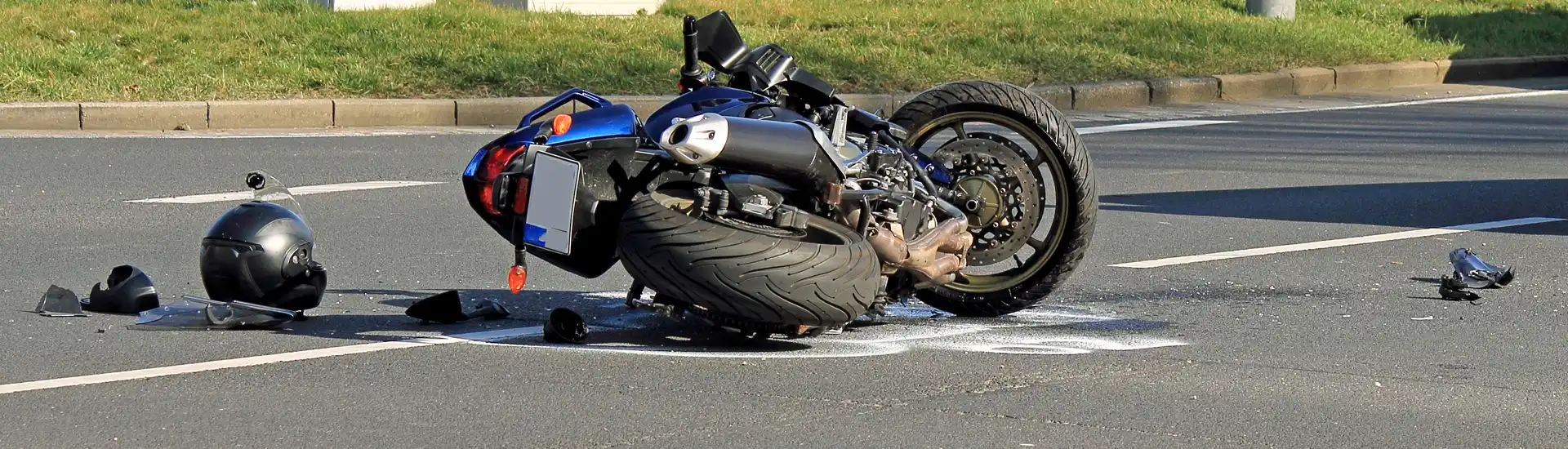
Urban motorcycling in South Africa comes with real exposure. Congested roads, distracted drivers, and rising theft risks all contribute to a challenging riding environment. When a bike crash happens, your response in the first few minutes shapes what follows.
This guide provides a practical bike crash safety checklist grounded in South African road protocols. It also shows how preparation, not just reaction, improves outcomes.
Why Motorbike Riders Face Higher Accident Risk In South Africa
Motorcyclists remain one of the most vulnerable groups on South African roads.
Data from organisations such as the Automobile Association of South Africa and the Motorcycle Safety Institute of South Africa highlights a consistent pattern. Most motorcycle accidents involve other vehicles, often during peak urban traffic. Human factors, particularly speed and driver awareness, remain leading contributors.
- Motorbikes account for roughly 2.1% of registered vehicles, yet are heavily represented in fatal crashes.
- In 2018 alone, there were 183 motorcyclist fatalities and over 500 serious injuries.
- Around 75% of motorcycle accidents involve other vehicles.
- Human factors like speeding contribute to over 80% of fatal crashes nationally.
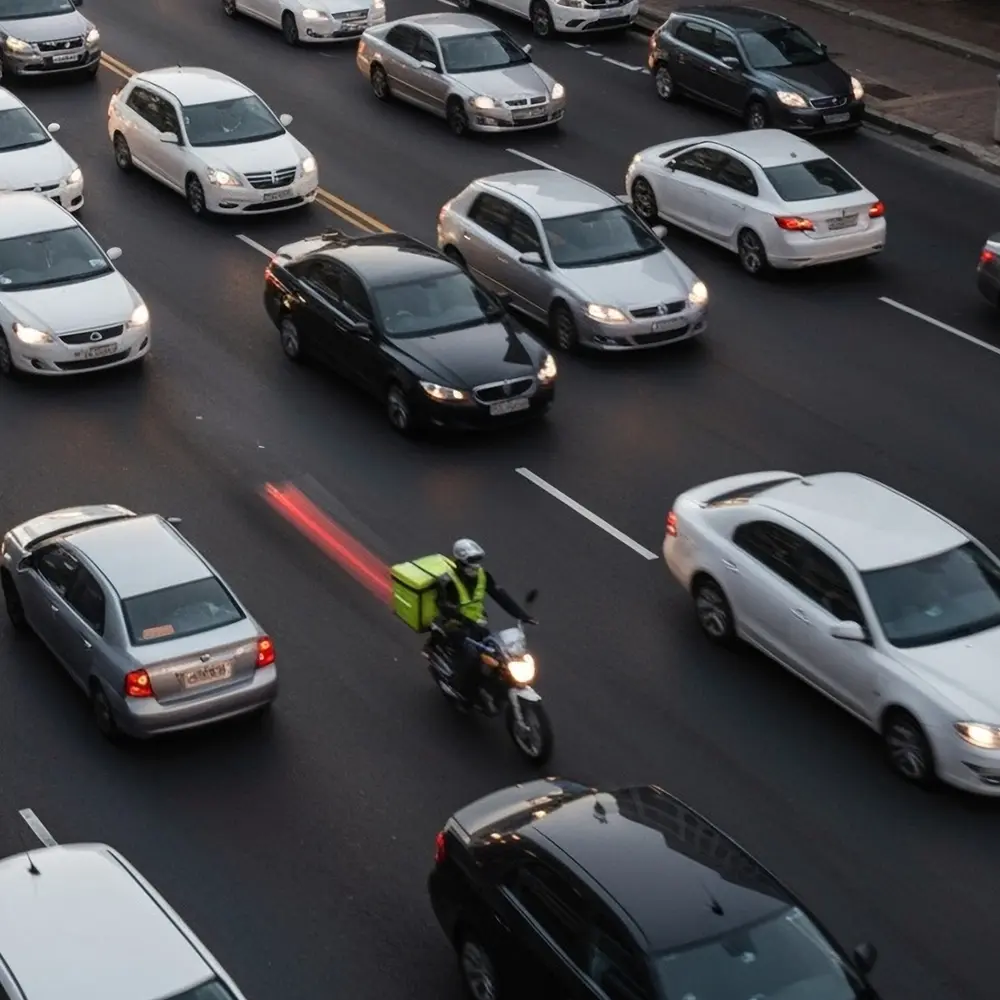

What Makes Riders Vulnerable
The main reasons bikers are vulnerable come down to:
- No physical protection compared to cars.
- Limited visibility to other drivers.
- Greater exposure during peak urban traffic.
- Higher risk of secondary incidents after an initial crash.
That combination means preparation carries more weight than it does for most motorists.
The saying goes, “Don’t dress for the ride; dress for the fall”!
Before you head out. Even if it is “just a trip up the road”, wear essential safety gear. That is: a helmet, gloves, boots, a jacket, and pants (or a suit).
Motorbike Accident: What to do Immediately After a Crash
When a motorbike accident occurs, clarity matters more than speed. Acting in a controlled, methodical way reduces further risk and keeps you aligned with legal requirements.
1. Secure the scene
- Stop immediately and switch off your bike.
- Turn on hazard lights if possible.
- Move to safety only if you are able and not seriously injured.
- Warn oncoming traffic using triangles or by signalling calmly.
2. Check for injuries
- Assess yourself first, then others.
- Be aware that adrenaline can mask pain.
- Do not remove your helmet unless necessary for breathing.
3. Call for help
- Dial 10177 for ambulance services.
- Dial 10111 for police, or 112 from a mobile.
- Share location, number of injured, and severity clearly.
4. Follow legal requirements
- You must remain at the scene if there are injuries or damage.
- Leaving can result in fines up to R180,000 or imprisonment.
- Report the accident within 24 hours and obtain an AR number.
5. Document everything
- Exchange names, ID numbers, and contact details.
- Record vehicle registration and insurance information.
- Take photos of:
- The scene.
- Vehicle positions.
- Road conditions and damage.
- Capture witness details where possible.
Motorcycle Accident Protocol: If You Are Injured
- Stay as still as possible.
- Avoid removing your helmet unless necessary.
- Let others handle documentation and communication.
- Seek medical evaluation even for minor pain.
Recommended reading. The above summarises much of what we cover in our comprehensive guide “What to Do at the Scene of an Accident”.
The key principle is simple: do not make injuries worse through movement or rushed decisions.


How Matrix Bike Supports You After a Bike Crash
Preparation extends beyond what you do yourself. It includes what is already in place before something goes wrong.
Matrix Bike adds a layer of support that operates independently of your immediate ability to respond.
Location visibility
If you are separated from your bike and the unit remains intact, its location remains visible through the app.
Recovery support
Recovery capability is another factor.
Should the bike be taken after a crash, you can alert Matrix to activate protocols to try locate and retrieve it.
Trip and incident data
Trip data and alert history provide useful supporting information when dealing with insurers. While photos and reports remain essential, having a digital record adds another layer of clarity.
Why these matter
After a crash, riders are often disoriented. Decision-making slows down. Having a system already working in the background reduces reliance on memory and manual tracking.
The One Thing Every Rider Should Do Today
Most riders focus on reaction. The smarter approach is preparation.
- Save the checklist to your phone.
- Store emergency numbers under speed dial.
- Review your gear and visibility habits.
Take the Next Step with Matrix Bike
If you ride regularly in South Africa, you already understand the risks. Now you are also prepared for them.
Matrix Bike gives you visibility, alerts, and recovery support when it matters most.