Two Sides of the School Run
Term 3 starts on 21 July, and South Africa’s school roads are about to get busy again. Drop-off and pick-up times are stressful for everyone involved. Drivers are rushing to get somewhere on time, and children are excited, distracted, and not always paying attention to traffic.
The good news is that school zone safety isn’t complicated. It just takes drivers and pedestrians understanding each other’s side of the road.
That’s what this guide is about. Here we look at two sides of the school run, offering a broader perspective for drivers, children, parents, and teachers to enhance safety in school zones.
Part 1: For Drivers
Speed Matters More Than You Think
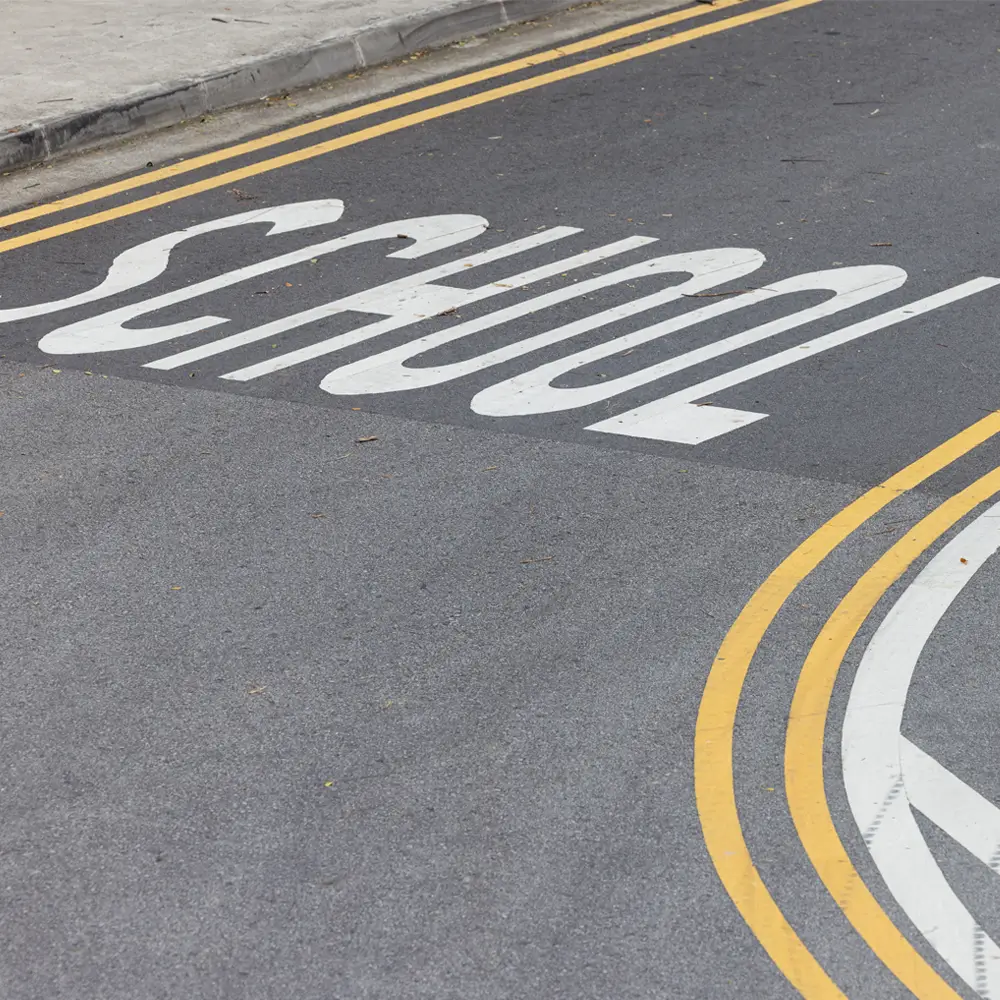
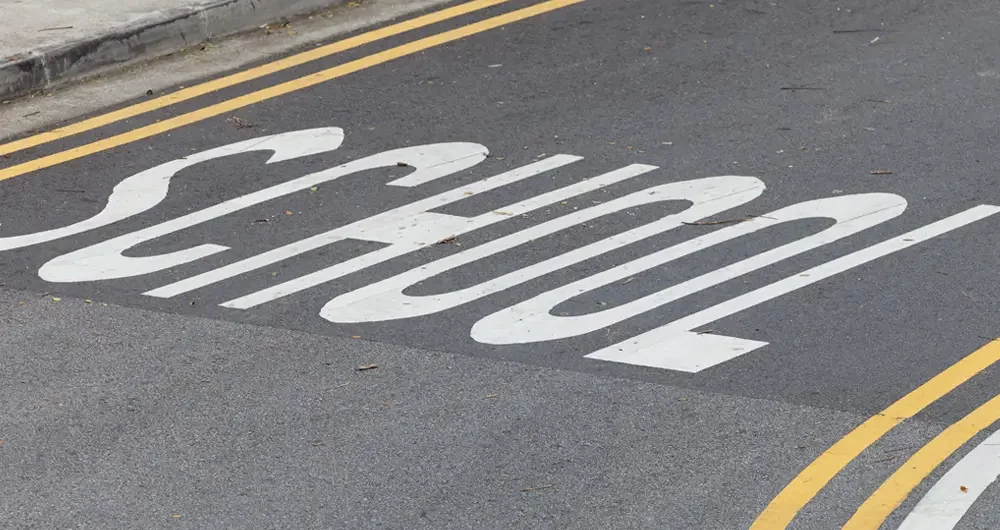
School zones usually carry reduced speed limits for good reason. The faster you’re going, the less time you have to react, and the worse the outcome if something goes wrong. South African road-safety sources show that pedestrian rates fall sharply as vehicle speed increases. RTMC notes that most pedestrians survive impact speeds below 30 km/h, while most are killed at 50 km/h and above (Science Direct and AAA Foundation).
That’s the entire argument for sticking to the posted limit outside a school. It isn’t about avoiding a fine. It’s about giving yourself enough time to stop.
Scholar Patrol Signs Aren’t a Suggestion
If you’ve ever seen a learner standing at the roadside holding up a red and white STOP sign, you might assume it’s a polite request. It isn’t. Under South African road traffic legislation, a STOP sign displayed by a scholar patrol member legally requires you to stop your vehicle and remain stationary until the sign is lowered (Arrive Alive).
Scholar patrol members are trained to stand on the kerb and hold their sign out horizontally so you can see it in good time. They won’t step into the road to stop you. That responsibility is yours. So, when you see a SCHOLAR PATROL AHEAD warning sign, slow down and start watching for the stop sign before you reach it (Arrive Alive).

Drop-Off Zones Get Chaotic. Plan for It.
Outside most schools at 7:30am, you’ll find a mix of private cars, minibus taxis, and other transport all trying to use the same stretch of road at once. Some cars double-park. Some stop in the middle of the road for a few seconds to let a child out. It’s not one group causing the problem. It’s everyone trying to do the same thing in a small space at once.
A few habits make a real difference here.
- Use the designated drop-off zone if your school has one, even if it means a short walk for your child.
- Don’t double-park or stop in a traffic lane, even briefly. It forces other drivers to swerve around you.
- Pull over fully before your child gets out, and have them exit on the pavement side, not into traffic.
- Expect taxis and buses to stop suddenly to load or unload children. Leave extra following distance near schools.
- Avoid U-turns directly outside the school gate. Find a safer spot to turn around.
None of this requires extra time. It just requires a bit more patience during ten chaotic minutes a day.

Winter Makes Children Harder to See
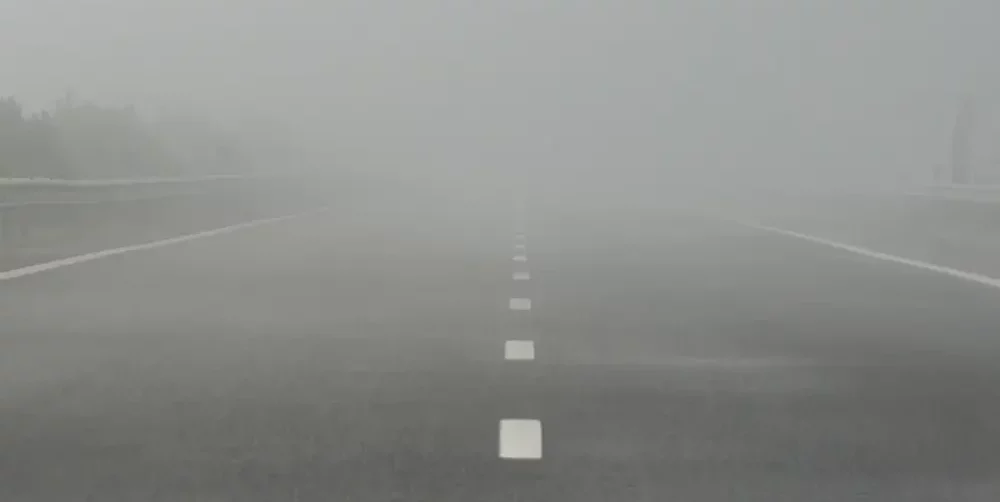
Grey school shorts, navy blazers, and dark drymacs aren’t designed to stand out. Add a cold, overcast morning and a child walking with their hood up and head down, and visibility drops fast. Children also tend to move in groups before and after school, which can mean a cluster stepping into the road together rather than one at a time.
Slow down earlier than you think you need to. Scan between parked cars and along the pavement, not just straight ahead. A child can appear from behind a vehicle with very little warning.
Part Two: For Scholars, Parents and Teachers
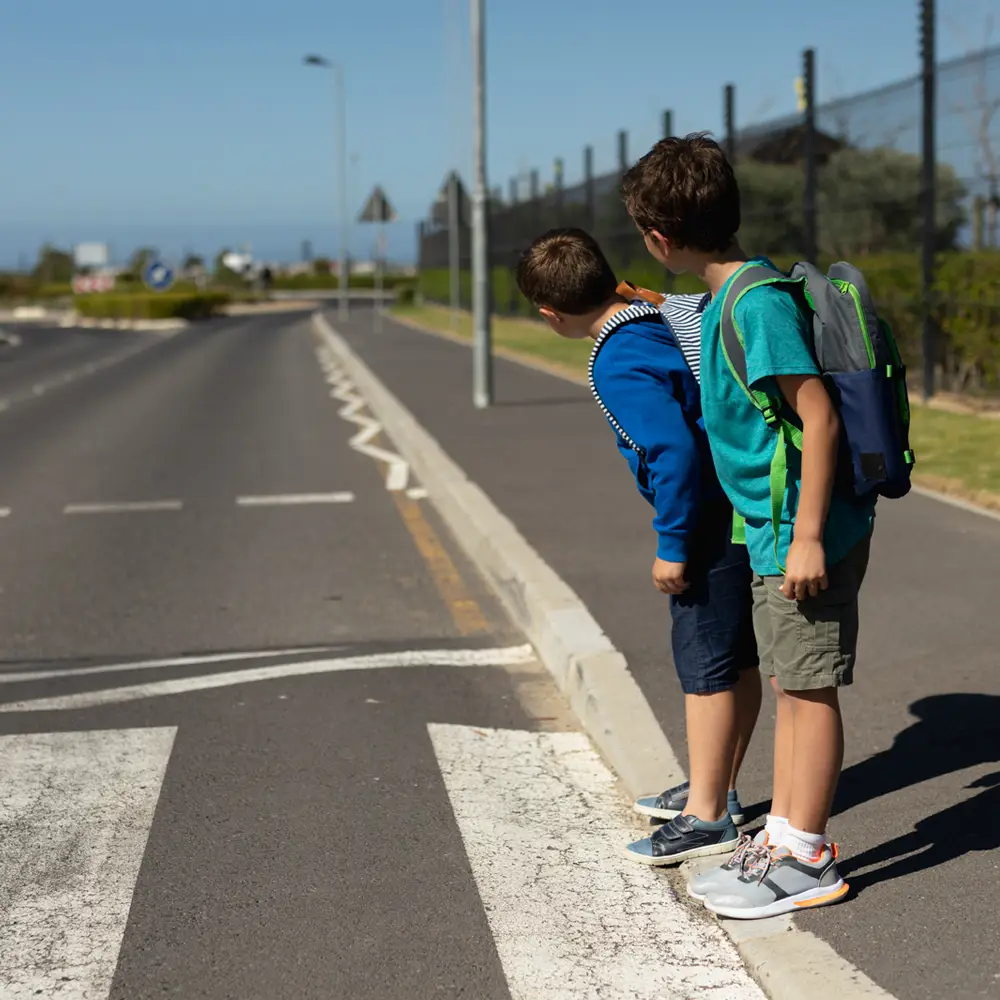
Use the Scholar Patrol Crossing Properly
If your school has a scholar patrol, use it, even if it feels slower than crossing on your own. Wait for the patrol member to display the stop sign and for traffic to actually stop before you step into the road. Scholar patrol members are there to help control pedestrians, not to physically stop cars themselves, so your safety still depends on waiting for traffic to come to a complete stop (Arrive Alive).
Drivers Can’t Always See You
It’s worth understanding how the road looks from behind the wheel. A driver’s view is often blocked by parked cars, other vehicles, or the angle of the morning sun. Someone stepping out between two parked cars is one of the hardest things for a driver to spot in time, even when they’re paying full attention.
This is why predictability matters. Cross where drivers expect you to cross, not at the nearest gap in traffic.

Help Drivers See You in Winter
Dark uniforms and winter jackets work against you here. A few small changes help.
- Clip a reflective strip or tag onto your school bag if your school allows it.
- Lift your head and make eye contact with a driver before crossing, rather than assuming they’ve seen you.
- Avoid crossing in a group rush. Let the first few cross and check that the road is still clear before you follow.
- Keep your hood down near roads, even if it’s cold. A few seconds of better visibility are worth it.
Understand the Drop-Off Zone From a Driver’s Seat
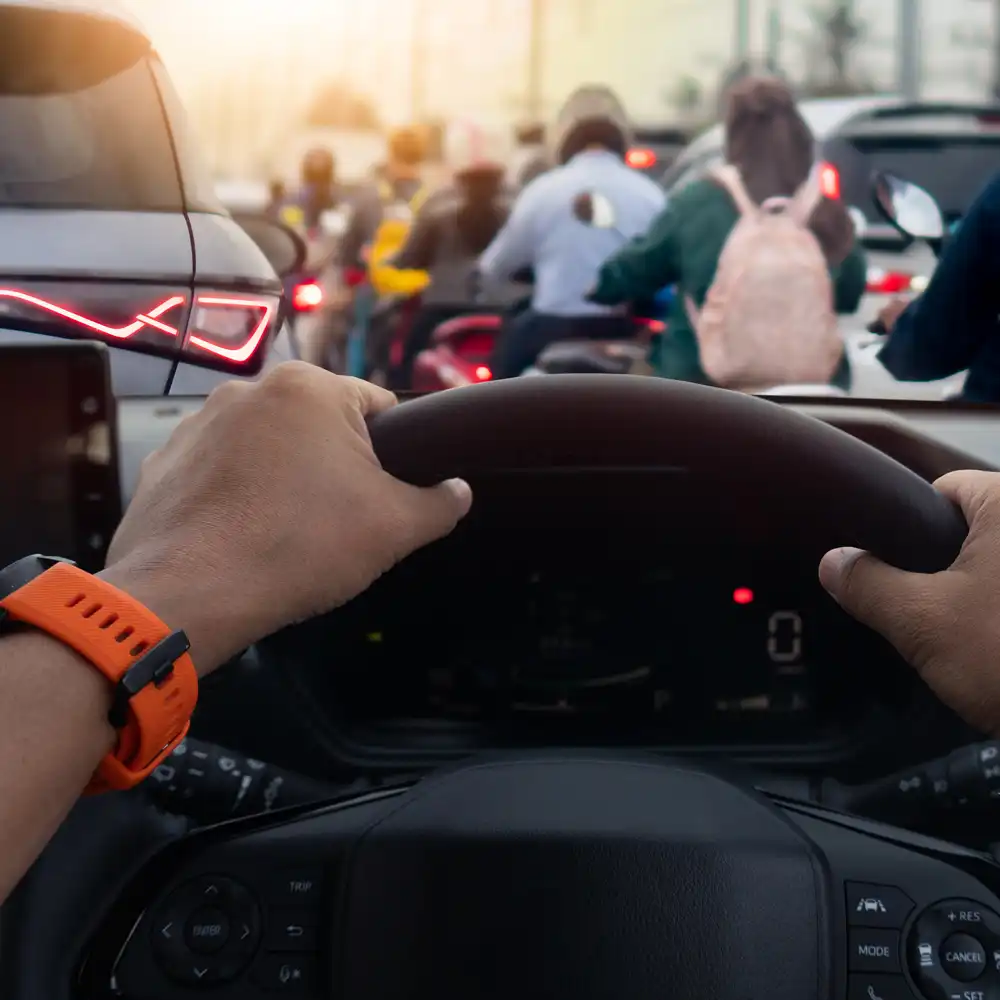
Drop-off and pick-up areas are confusing for everyone, including the adults driving. Children crossing between parked cars, appearing from behind taxis, or running make a driver’s job harder, even when they’re being careful.
If you’re a parent walking your child to a car or taxi, hold their hand right until they’re inside, not just near the door. If you’re a teacher on duty, encourage children to wait for a clear signal rather than dashing for a car the moment they spot it.
Matrix is right by your side
School zones are one of the clearest examples of why road safety is about people, not just vehicles. A few seconds of extra caution from a driver, and a few seconds of extra visibility from a pedestrian, can be the difference that matters.
It’s the same thinking behind Matrix. We track vehicles, but we built our tools around the people travelling in them. Crash Alert detects a collision and gets help moving fast, even if you can’t make the call yourself. Roadside and Medical Assist means support is available when you need it most, not just when your vehicle does. And with MyPanic, help is one press away if something feels wrong on the road.
Whether you’re navigating the school run as a driver or teaching your children to navigate it as pedestrians, small habits add up to real safety. Matrix is here to support the rest.
Know a parent or teacher who’d find this useful? Share it before the school run gets busy again.
If you’re looking for more support on the road, find out what Matrix can do for you and your family.
Additional Sources: ChildSafe South Africa, Department of Basic Education 2026 School Calendar.