Keeping Kids Safe While Driving: Child Car Safety Tips Parents Trust
February has us thinking about love. We guard what matters to us, which is why we’re also thinking about how to protect your loved ones, especially your children. Keeping kids safe while driving is of the utmost importance. It requires awareness and everyday habits that reduce risk on South African roads.
Whether you are a parent, caregiver, au pair, or part of a lift club: child passenger safety starts before you turn the ignition.
Why Child Passenger Safety Matters On South African Roads
Our roads can be unpredictable. According to Arrive Alive, many serious injuries involving minors happen during short, familiar trips. Children are more vulnerable because their bodies are still developing, especially their necks and spines.
Good child car safety habits reduce injury risk significantly and create calmer, more focused drivers.
Choosing the right car seat or booster seat
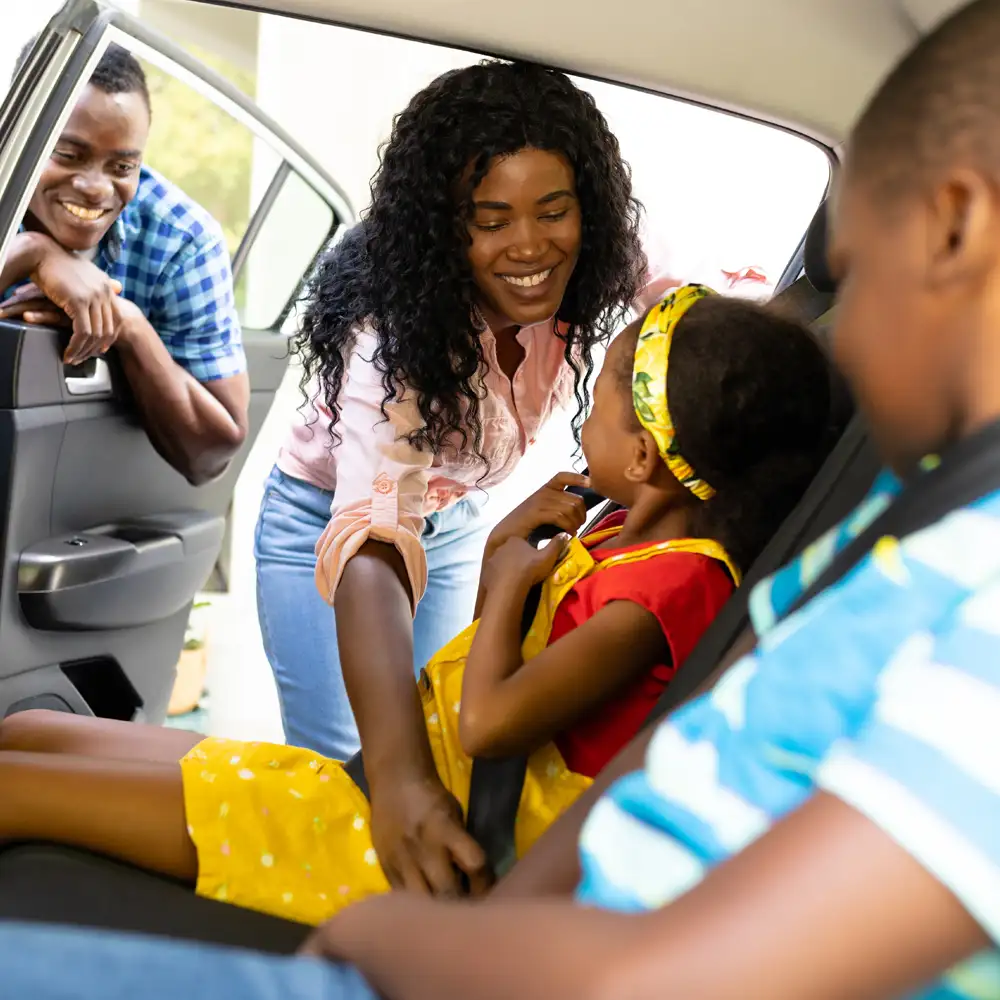
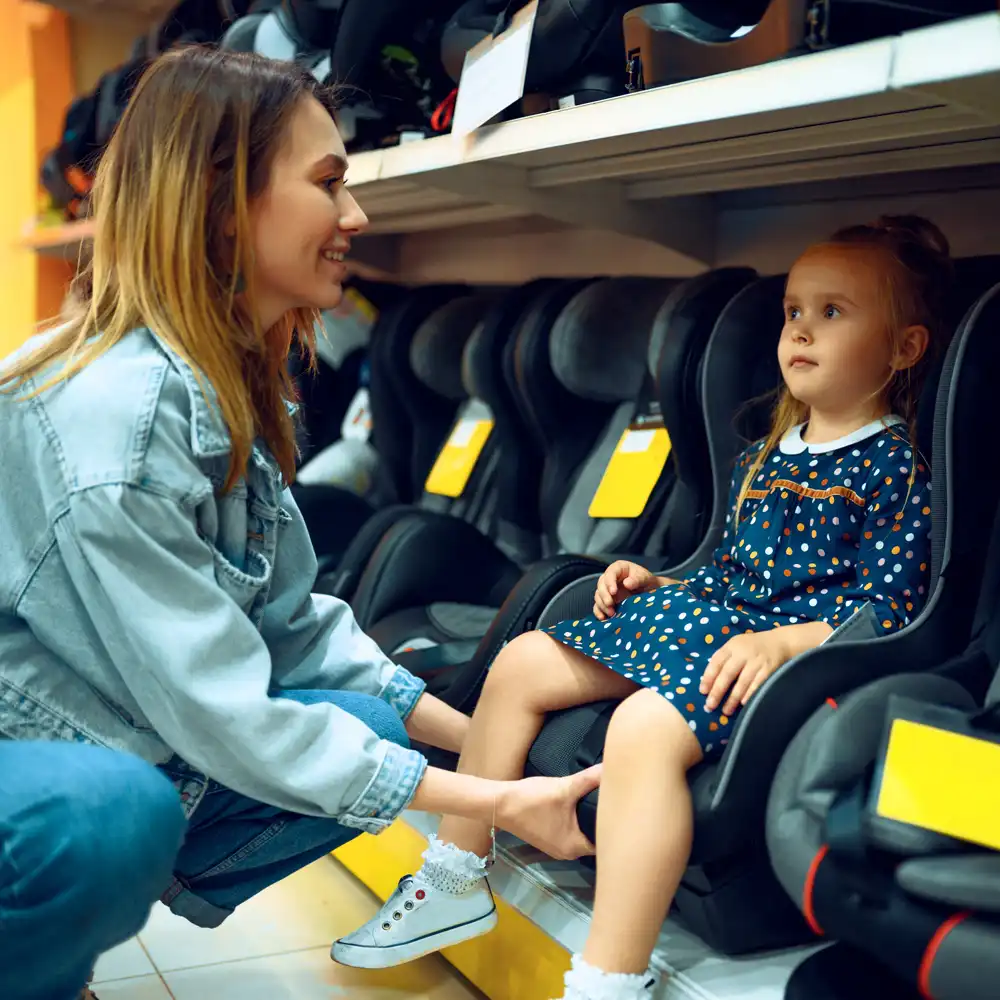
A properly fitted car seat or booster seat is one of the most effective ways to protect babies and children.
South African law requires:
- Children under three years old must be seated in an appropriate car seat.
- Children must be restrained using seatbelts or child restraints suited to their size.
Best practice goes further:
- Babies should travel rear-facing for as long as the seat allows.
- Toddlers should move to forward-facing seats only when they outgrow rear-facing limits.
- A booster seat should be used until the seatbelt fits correctly, usually around 10 to 12 years old.
- The belt should sit across the shoulder and chest, not the neck or face.
❗Never buy a second-hand car seat unless you know its full history. Damage is not always visible.

Non-Negotiable Car Rules For Children
Some rules protect children in ways they may not understand yet, but you must enforce them every time.
- Never allow a child to stand, kneel, or move around in a moving vehicle.
- No feet on dashboards, seats, or door panels.
- Always use child safety locks on rear doors and windows.
- Children should never ride in the front seat unless they meet legal and safety requirements.
- Loose items should be secured, as they become dangerous in sudden stops.
Consistency matters. If rules change, children stop taking them seriously.
Defensive Driving When Travelling With Children
Driving with children requires a calmer, more defensive mindset.
Key defensive driving tips:
- Increase the following distance to allow smoother braking.
- Avoid confrontations with aggressive drivers; do not engage or react.
- Plan routes to reduce stress, traffic congestion, and time pressure.
- Pull over safely if children distract you; never try to manage chaos while driving.
Your behaviour behind the wheel sets the standard. Calm driving keeps everyone safer.


Extra Care For Au Pairs And Lift Clubs
If someone else transports your children, safety expectations must be clear.
- Demonstrate how to correctly fit the car seat or booster seat.
- Confirm that seatbelts and child locks are always used.
- Share emergency contact details and medical information.
- Agree on approved routes and pick-up procedures.
We recommend that anyone responsible for your children’s care is equipped to call for help quickly if something goes wrong.
Adding Emergency Support For Peace Of Mind
Even with the best preparation, emergencies can happen. Having fast access to help matters.
MyPanic by Matrix is a mobile panic button app for South Africans that gives instant access to emergency services. With one tap, you can request armed response or medical assistance anywhere in the country. You do not need a Matrix tracking device to use MyPanic. Anyone with a smartphone can download the app and subscribe.
- Single user: R49 per month.
- Double subscription: R69 per month.
- Family option (five users): R99 per month.
It is a practical safety layer for parents, caregivers, au pairs, and lift club drivers. For example, should an au pair press MyPanic, emergency services will be dispatched and you as the parent or emergency contact will receive an app notification of the action. Learn more here.
If you are a Matrix Gold or Silver subscriber, you also have access to The Matrix Panic Button*, which allows you to silently request assistance from your vehicle. In the event of a breakdown, flat tyre, flat battery, or roadside emergency, Matrix is right by your side. More details here.
FAQs About Keeping Kids Safe While Driving
When the seatbelt fits properly without assistance, usually between 10 and 12 years old.
It is allowed under certain conditions (properly restrained, preferably in a booster seat if 4-7 years old, and the front passenger bag is deactivated), but it is safer for children to sit in the back whenever possible.
No. Each passenger must have their own seatbelt or restraint.
No. Bulky clothing can prevent the harness from fitting correctly.
No. Many accidents happen close to home, where drivers relax their habits.
Love Means Protection, With Every Journey.
February, the month of love, is about love in action. Keeping kids safe while driving is one of the most powerful ways you show it.
From choosing the right car seat to staying calm under pressure and preparing for emergencies, every decision adds up.
Protect the people you love most, every time you start the car.
Share this article with anyone who transports precious children via our sharing buttons below.
There’s more to love about Matrix!
Learn more about Defensive Driving techniques here.
Get a MyPanic subscription for you and other drivers: https://matrix.co.za/mypanic/
Explore all the safety features included in the Matrix vehicle tracking app: https://matrix.co.za/features-vehicle-tracking-app/